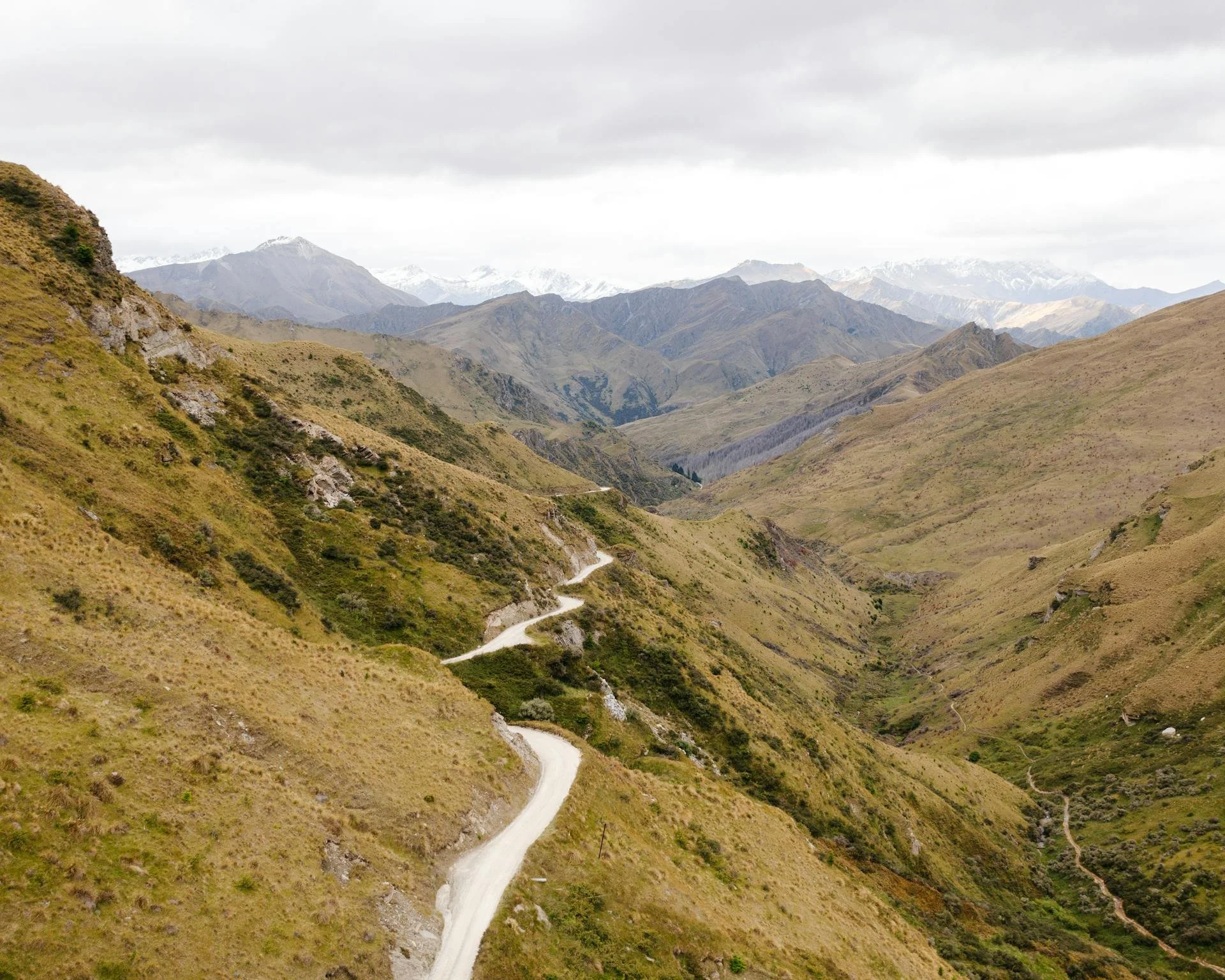
Protecting Central Otago’s most valuable asset
● THE environmentMineral permit applications from overseas mining companies are stacking up, but do the numbers?We believe that the environment, and the industries it supports, are significantly more financially valuable to our economy than the small slice of profit our region will receive from overseas companies mining in our backyard.
The majority of profits will go to offshore corporations. The promise of higher paying jobs will benefit a slim few, but could put other local industries at risk. If failures occur, our community could be left with the cleaning fee and medical bill which, in some previous tailing dam failures, has amounted to billions. Private gain, significant long-term public risk.
Which begs the question - what’s the rush? Why fast-track the mining of this finite resource by an overseas company, when we could explore a different method that ensures the projected $6.75 billion remains within New Zealand?
Learn more about the offer currently under discussion, explore the other locations under application, and find out how you can protect Central Otago’s most valuable asset.
The Santana Bendigo-Ophir Fast-track Goldmine
A sh*t deal for our pockets, our people, and our planet?
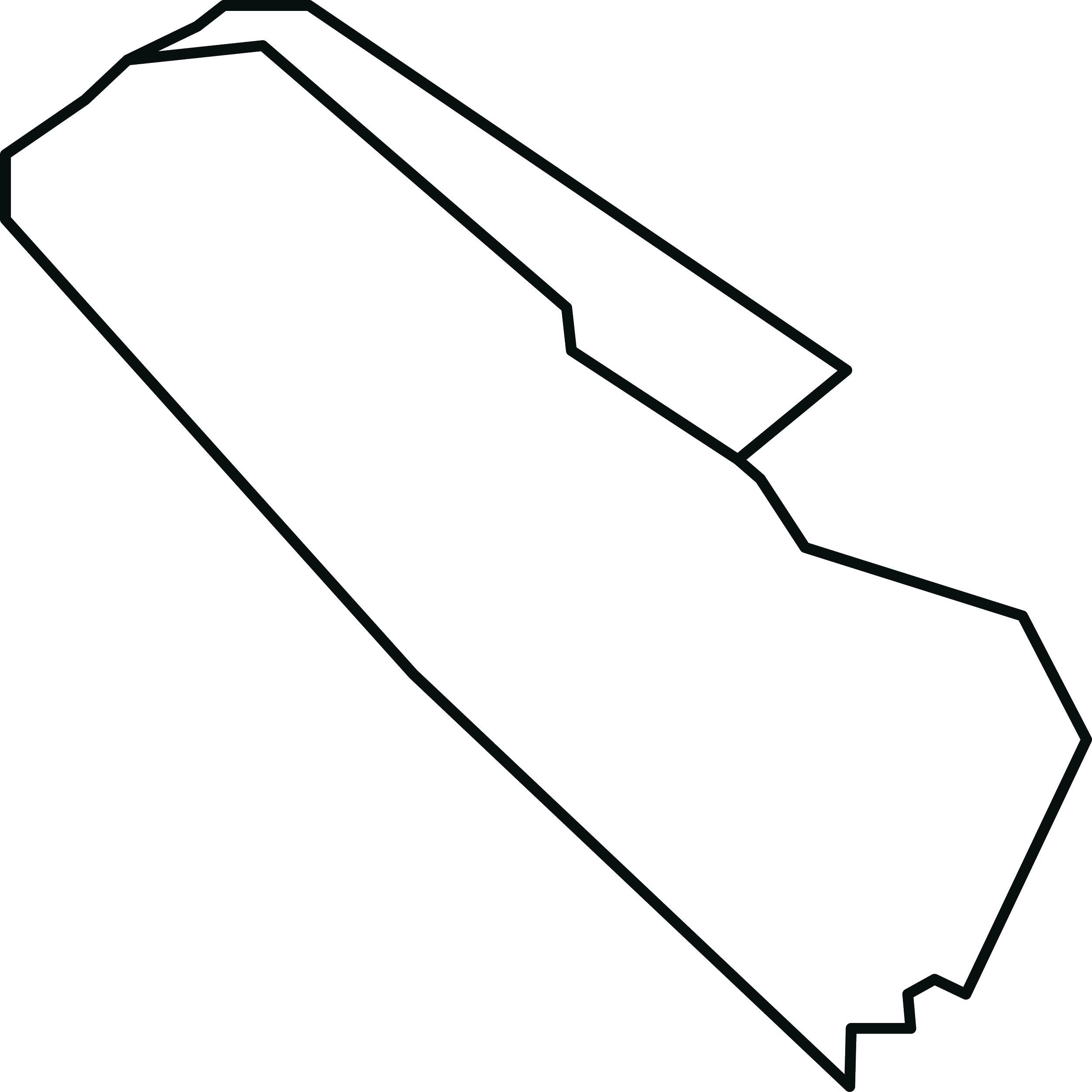
The ‘reward’:
▸ Private value:
▸ Public return:
▸ Employment:
An estimated $6.75 billion worth of gold to be extracted.
Royalties and company tax estimated to average $108 million per year for just 14 years. The tax portion is not guaranteed, with New Zealand’s largest gold mine paying “no income tax in 2021 or 2023 on gold production worth hundreds of millions of dollars” – Radio New Zealand
An estimated 365 jobs over fourteen years, but not just for locals. Much of the technical expertise could be imported, while local workers could be pulled from other industries in a region where unemployment is below the national average.
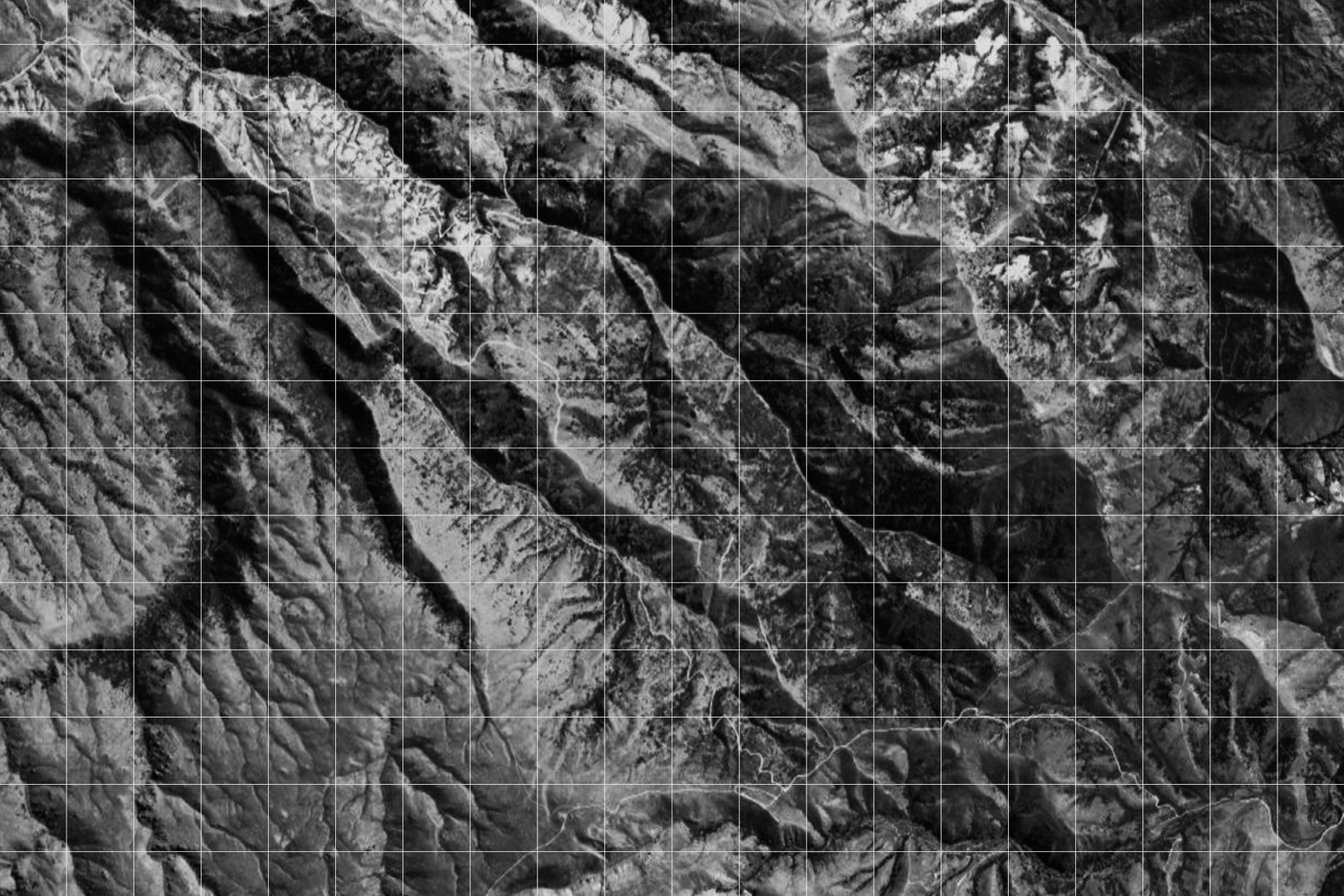
The risk:
18,000,000
Around 18 million cubic metres of toxic waste stored behind a wall of waste rock taller than the Clyde Dam. Forever.
75%
Probability of an Alpine Fault earthquake happening in the next 50 years, with an 80% chance of this being magnitude 8 or higher.
100%
Chance of an eventual tailings dam failure according to global tailings dam expert, Steven Vick.
~900,000ha
Of downstream land reliant on the Clutha River and its tributaries.
$1,885,000,000
Per year at risk for local industries that rely on clean water and air (agriculture: $385 million pa, tourism: $1.5 billion pa).
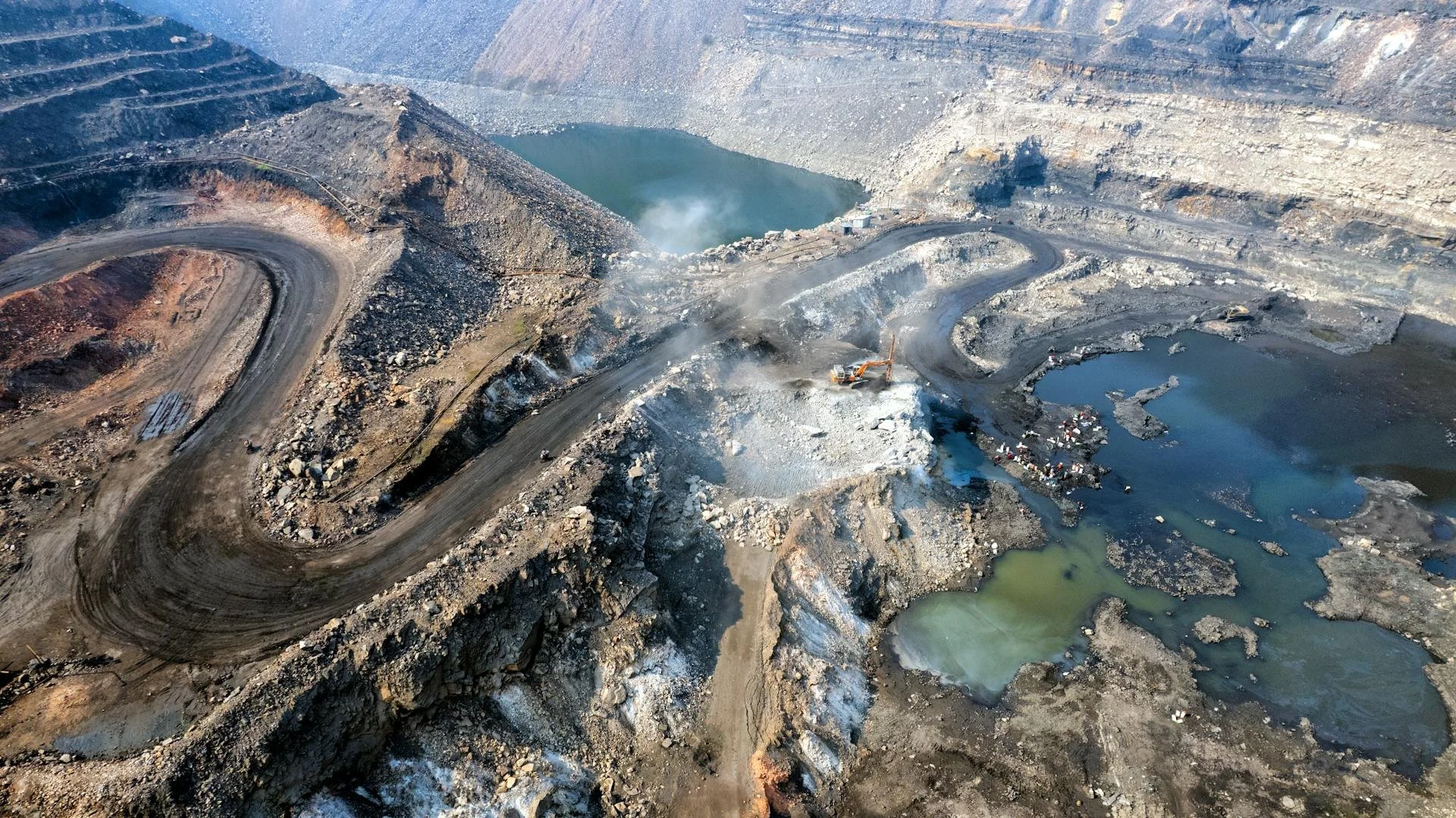
Once the gold is gone, it is gone forever. As stewards of a depleting resource, we must recognise that this is a one-time opportunity. We cannot recapture lost economic potential or retroactively mitigate environmental degradation.
High Public risk + low public return = extremely sh*t deal“The environmental, climate and health costs of mining are substantial. Globally, it has been estimated that, if environmental costs are deduced from mining-generated income, the net economic gain is reduced by about 70%”
Medical Journal of Australia, 2025$108m pa $32m pa
The real cost of the clean up
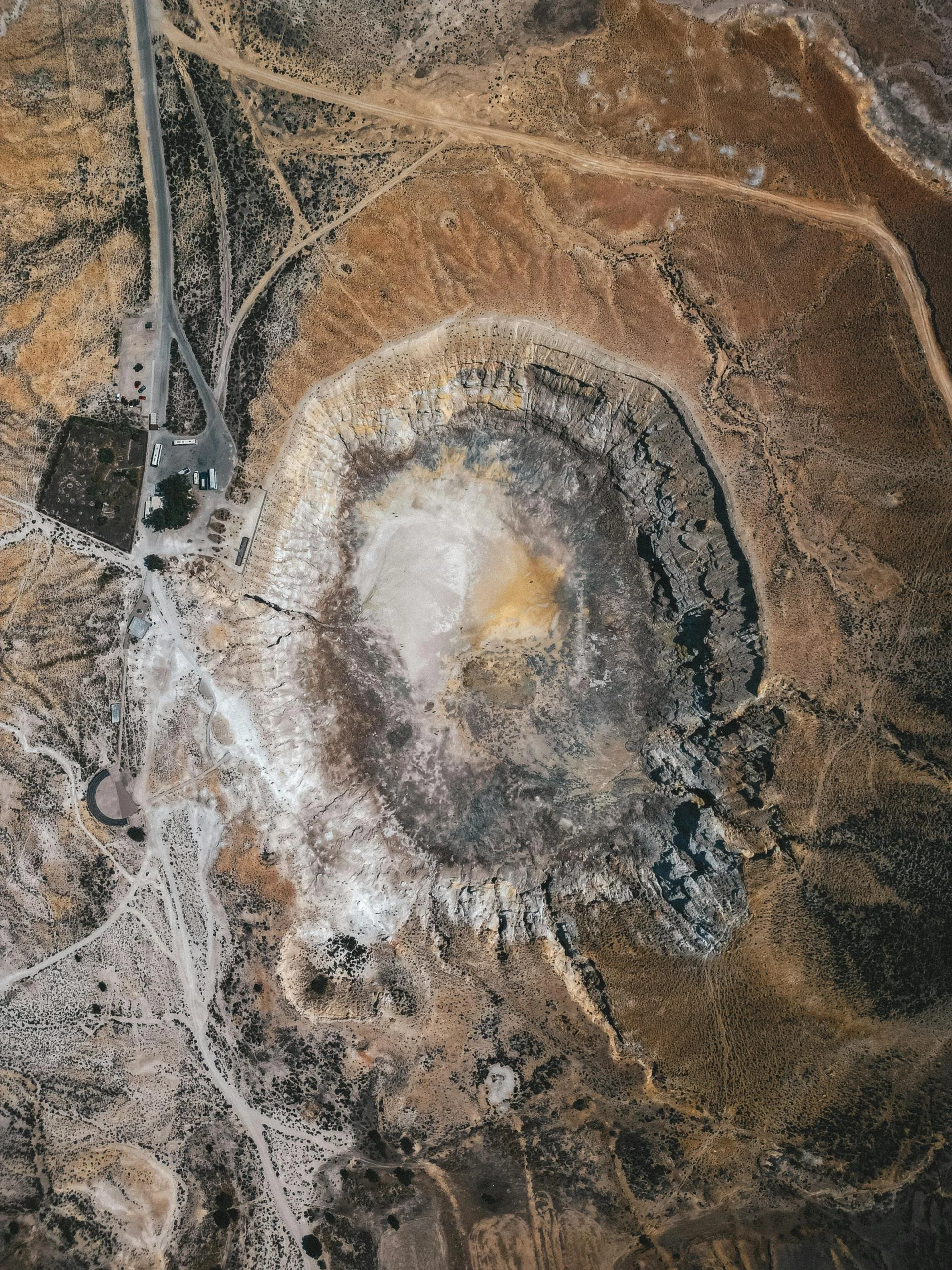
Tailing dams, like the one proposed at Bendigo-Ophir, have been destroying natural ecosystems and costing local economies billions throughout the world. Leading experts such as Steven Vick say ‘the failure of a tailings dam is inevitable’, the risks only increased in a seismic area.
KO Gold President & CEOCentral Otago –
“The new West Africa”
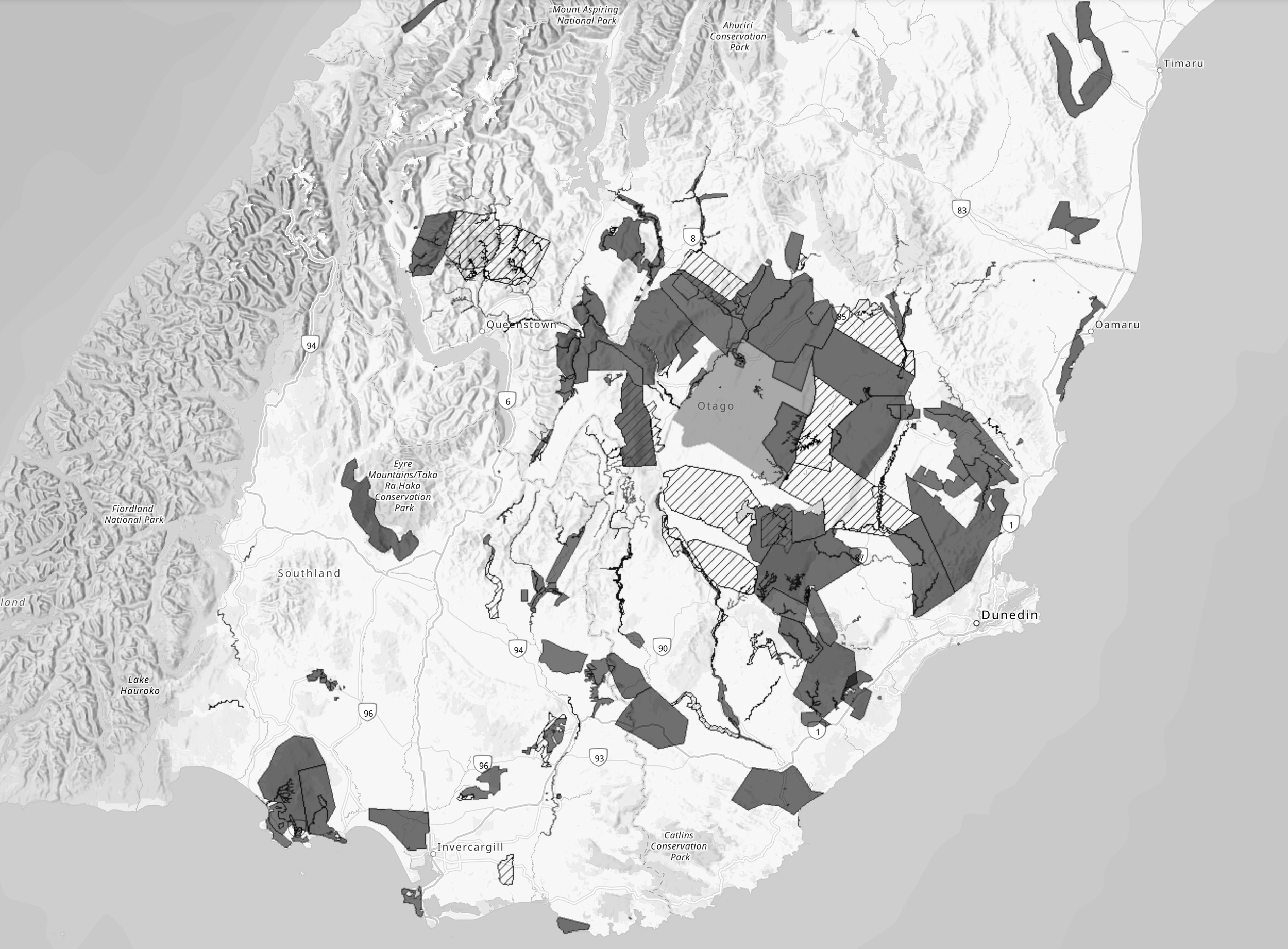
The Santana Bendigo-Ophir Fast-track Gold Mine - just the beginning?The Central Otago region has been dubbed the next mining mecca of the world, with prospecting and exploration permits covering large areas of Otago, including the Mata-Au Clutha River, part of the Criffle Range, and areas such as Skippers, Macetown and Glenorchy. Mining companies from Australia, Canada, USA, and beyond, are watching to see if the Santana Bendigo-Ophir Gold Mine is approved.
The CEO of a Canadian mining company referred to Otago as “the new West Africa” of gold mining. If you know what has happened there, this is not good news.
In the news
Take action
The Santana Bendigo-Ophir Fast-track Gold Mine is currently under panel review from 23rd February until October 2026, with a draft decision likely anytime from July. This is our chance to show the appointed panel members and our leaders that we stand together, against this fast-track application.
Add your voice to the opposition
1.
Sustainable Tarras is a local organisation creating a list of those opposed to the Santana Bendigo-Ophir Fast-track Gold Mine. Add your voice to the thousands who already have and sign up for updates about the proposed mine.
Contact your local leaders
2.
Tell our current leaders that we do not approve of the Santana Bendigo-Ophir Fast-track Gold Mine and this is not the future you will vote for in an election year. We encourage you to write your own submission, but have provided a template to copy and paste alongside a directory of leaders to send to.
Help us spread the message
3.
A social post, painting, poem or just having an informed yarn to Uncle Jim, every little bit helps. Get in touch if you’ve got an idea, send us a quote to add to our ads, or donate to our campaign to keep them live throughout the panel discussion and keep our community informed.
Letter of Opposition: Santana-Bendigo Fast-track Goldmine
[Your Name]
[Your Address]
[Date]
To [recipient address],
I’m writing to you as a [ratepayer/resident/voter] strongly opposed to the fast-track mine proposed by Santana Minerals.
I am deeply concerned that this decision prioritises perceived short-term financial gain over the long-term financial loss and the well-being of our community.
The environmental implications of this project are potentially catastrophic and poorly mitigated in the current proposal. I am very concerned about the long-term management of 18 million cubic meters of toxic waste behind a rock wall, and the risk of arsenic and other contamination in our local waterways that present a "perpetual liability" that our region and our children cannot afford to inherit.
We cannot trust that the promised economic offsets will ever be sufficient to remediate the permanent loss of ecological integrity and the toxic legacy often left behind by large-scale mining.
This project poses a direct threat to the sustainable economic pillars of our region: tourism, horticulture and viticulture. Our local growers and tourism operators rely on Central Otago’s reputation for purity and scenic beauty; a massive industrial mining operation is fundamentally incompatible with these world-class industries.
I urge [the Council] to take a firmer stand in protecting our community’s future by advocating for the highest level of environmental scrutiny and ensuring that the interests of Central Otago’s residents and environment are not traded away for temporary royalties.
Sincerely,
[Your signature]
Leader contact details
▸   Mayor, CODC: tamah.alley@codc.govt.nz
▸   CEO, CODC: Peter.Kelly@codc.govt.nz
▸   CEO, ORC: Richard.Saunders@orc.govt.nz
If you live in Central Otago
▸ you can find Your CODC councillors emails hereIf you live in Otago
▸ you can find your Otago Regional Councillors emails hereIf you live in the South Island
▸ Minister, south island: James.MeagerMP@parliament.govt.nzIf you live in the Waitaki District
▸ Mp, Waitaki district: Miles.Anderson@parliament.govt.nzIf you live in New Zealand
▸ You’ll find a full list of MPs in New Zealand hereA few economically viable alternatives
1. Keep the profits in NZKeep the gold in the ground until we can develop a method that has all the reward and less of the risk. Ideally, a method a Kiwi company or state-owned enterprise can apply, keeping the full $6.75 billion in New Zealand.
2. Extract gold from the e-waste we give awayE-waste contains a significant concentration of gold, with one metric tonne of e-waste containing up to 800 times more gold than a tonne of mined ore. New Zealand currently generates 99,000 tonnes of e-waste every single year – approximately 98% of which ends up in landfill or is disposed of illegally. There are currently multiple companies investigating how to do this economically, whilst also dealing with some of the other waste issues.
3. Take out the middle moundWhile less than 8% of gold is used in technology and healthcare, a large majority is turned into gold bars and stored in overseas vaults. All the emissions, toxic waste, and irreversible destruction just to take gold from one hill and put it into another? What about a scheme that allows people to buy gold while keeping it in the ground?
▸ Got a better idea? We’d love to hear it!
● Who we areNatural Capital is a collective of everyday humans in Central Otago working together to protect our most valuable resource - the environment. Business owners, workers, creatives, parents, hikers, bikers, and skiers, doing the numbers on big decisions with long-term local impacts to make sure they track financially - now and into the future.
Get in touch