New Zealand jeopardising NZ$46 billion tourism economy to allow NZ$6.75 billion in gold to be shipped to Australia
7 April 2026 – Wānaka, New Zealand – An Australian mining company is seeking fast-track approval to extract an estimated NZ$ 6.75 billion worth of gold from Central Otago. Local residents and community leaders are dismayed at the prospect of a fast-track proposal for a gold mine that risks long-term damage to New Zealand’s “100% Pure” brand in one of the country’s most iconic landscapes and NZ$ 46.6 billion tourism industry.
Santana Minerals has applied for approval to develop four open-pit gold mines near Bendigo-Ophir, within an hours drive to the resort town of Queenstown and only 30 km from Wānaka, under the Government’s fast-track consenting process.
The project could desecrate an area of outstanding beauty in one of New Zealand’s most globally renowned tourism regions for short-term and limited economic benefits, with the majority of the value flowing offshore.
Tourism generated NZ$ 46.6 billion (US$ 28.2 billion) nationally in visitor spending in the year to March 2025, supported more than 327,000 jobs, and contributed roughly 7.5 – 8% of New Zealand’s GDP.
By comparison, Santana Minerals’ own estimates indicate the mine would generate around only $32 million a year in royalties over its 14-year life and employ about 365 workers – with many jobs potentially filled by overseas specialists.
Natural Capital, a local Central Otago based advocacy group opposing the project, said the economic trade-off is deeply flawed.
“This proposal asks New Zealand to put a globally significant tourism region at risk for a project that lasts just over a decade that primarily benefits an Australian company,” said Zoe Hawkins, a Wānaka-based spokesperson for the group. “The long-term liabilities remain here, meanwhile around 78% of the profits leave the country according to Santana’s own estimates.”
Hawkins, a brand and marketing specialist explains, “Central Otago’s landscapes are part of our global brand. They draw visitors from around the world, especially Australia, and support thousands of local jobs. Once that reputation is damaged it’s not easily repaired.”
Prominent New Zealand businessman Sir Ian Taylor, founder of Animation Research and a vocal critic of the proposal, has also questioned the economic rationale behind the project.
“We hear large export numbers used to justify mining,” Taylor wrote in a recent opinion piece. “But the number that matters isn’t what’s sold; it’s what’s left here after the costs.”
The proposed mines include carving multiple large open pits into the landscape and storing an estimated 18 million cubic metres of toxic waste behind a waste rock wall higher than the Clyde Dam, in a seismically active region at the headwaters of major river systems.
Taylor has warned that the tailings facility represents the central long-term risk of the project.
“The real risk-reward question sits with the tailings facility that will remain long after the mining stops,” Taylor wrote. “Once it’s there, it’s there forever.”
The potential environmental impacts – including risks to water quality, ecosystems, and biodiversity – could also undermine New Zealand's international reputation as a clean, nature-based destination.
The project is being assessed under the government’s fast-track consenting regime, with a decision expected by late October. The process significantly limits public participation compared with standard planning pathways, and mining company Santana has been accused of poor engagement by community members living close to the proposed mine.
A successful outcome would set a powerful precedent for future extracts projects. The Santana Bendigo-Ophir Fast-track Gold Mine currently under panel discussion is being closely watched by largely foreign mining corporations with mining permits in the region and across the country. For instance, Canadian company KO Gold announced plans for drilling in its Carrick Project, near Cromwell, and is now seeking further investment to ramp up the project, directly citing Santana's fast-track application.
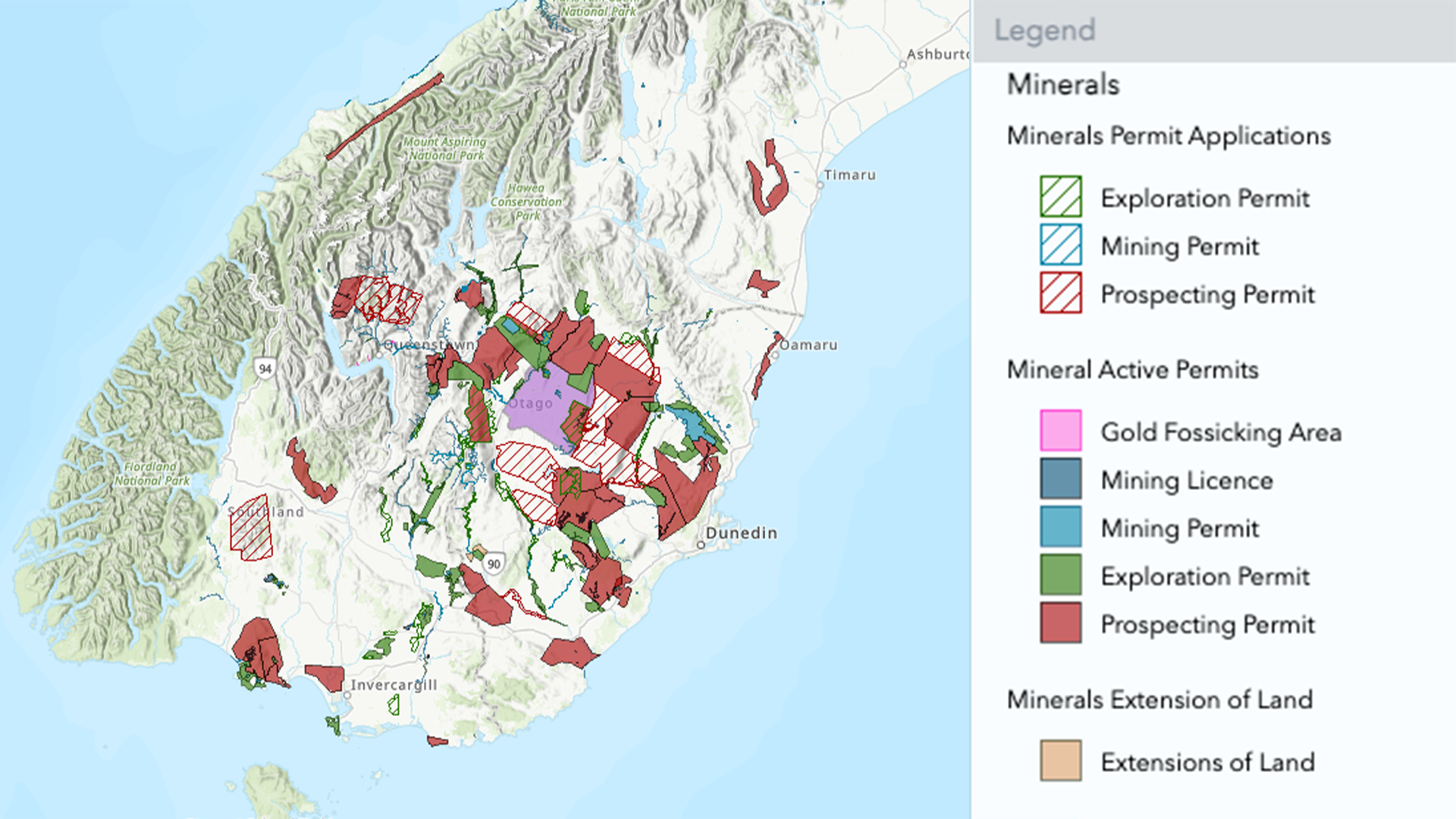
“This isn’t about mining versus not mining,” writes Taylor. “It’s about whether the process is capable of delivering the right decision for future generations.”
Echoing Sir Taylor’s concerns Hawkins said, “this is the first major mining proposal in Central Otago to test the fast-track process. If it is approved, it sends a signal that iconic landscapes are open to industrial development, with reduced scrutiny and limited public input.”
“It’s the landscapes that make this country unique. Once those are damaged, no amount of gold will bring them back.”
Natural Capital is calling for a comprehensive, independent assessment via the existing non-fast-track pathway to fully consider the project’s economic, environmental and reputational impacts, including its implications for tourism and long-term public liability. The collective is also calling for the community to be fully informed and involved in any decision.
“If the reward from one mine is measured in years, but the responsibility it leaves behind must be carried for generations, then surely the least we can do is pause, listen to all voices, and make certain we have the balance right,” said Taylor.
###
Notes to editors
Natural Capital is a collective of Central Otago residents opposing the Santana Bendigo-Ophir Gold Project and its inclusion in New Zealand’s fast-track consent process. The group has sourced its key information and figures from Santana Minerals’ own project documents (including fast-track application documents), current gold prices, clearly documented international evidence of tailings dam failures, and scientific reports about the impacts of mining.
Media contacts
Zoe Hawkins - Spokesperson